This year, Japan seems to be on everyone’s travel radar, and for good reason. With its unique blend of tradition and modernity, breathtaking landscapes, and rich culture, Japan offers something for every traveler. If you’re planning a trip, here’s a short guide to help you navigate the essentials and get the most out of your visit.
Currency and Costs
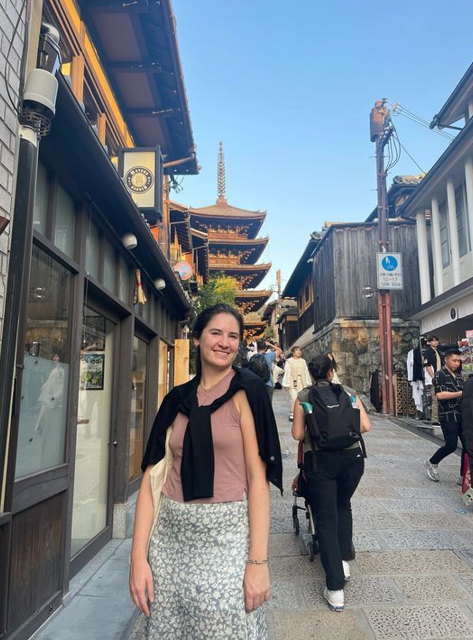
As of now, the Japanese yen is relatively weak compared to the US dollar, thanks to the Japanese government’s interest rate policies. This is great news for travelers, making your trip more affordable. During my own two-week adventure in Japan last October, the yen was trading at about 125:1 against the dollar. Today, it’s closer to 140-150:1, which means your dollars will stretch a bit further. For instance, you can enjoy a bowl of ramen at a small, local shop for around 1,000 yen. Japan is also well known for their second-hand luxury goods and increasing popularity in their thrift stores.
Japan is still heavily cash-based, especially in smaller, locally-owned establishments. While many places do accept credit cards, it’s advisable to carry some yen for convenience. 7/11 is a go-to spot for removing cash from an ATM, they tend to have the lowest fees. I’d also recommend having a small coin purse, since the japanese currency consists of many coins and bills. You’ll have coins in every pocket before you know it.
7/11 in Japan is also a go too spot for many locals and tourists. It is nothing compared to the ones in the states or abroad elsewhere. They have fresh meals made daily along with steamed buns and other
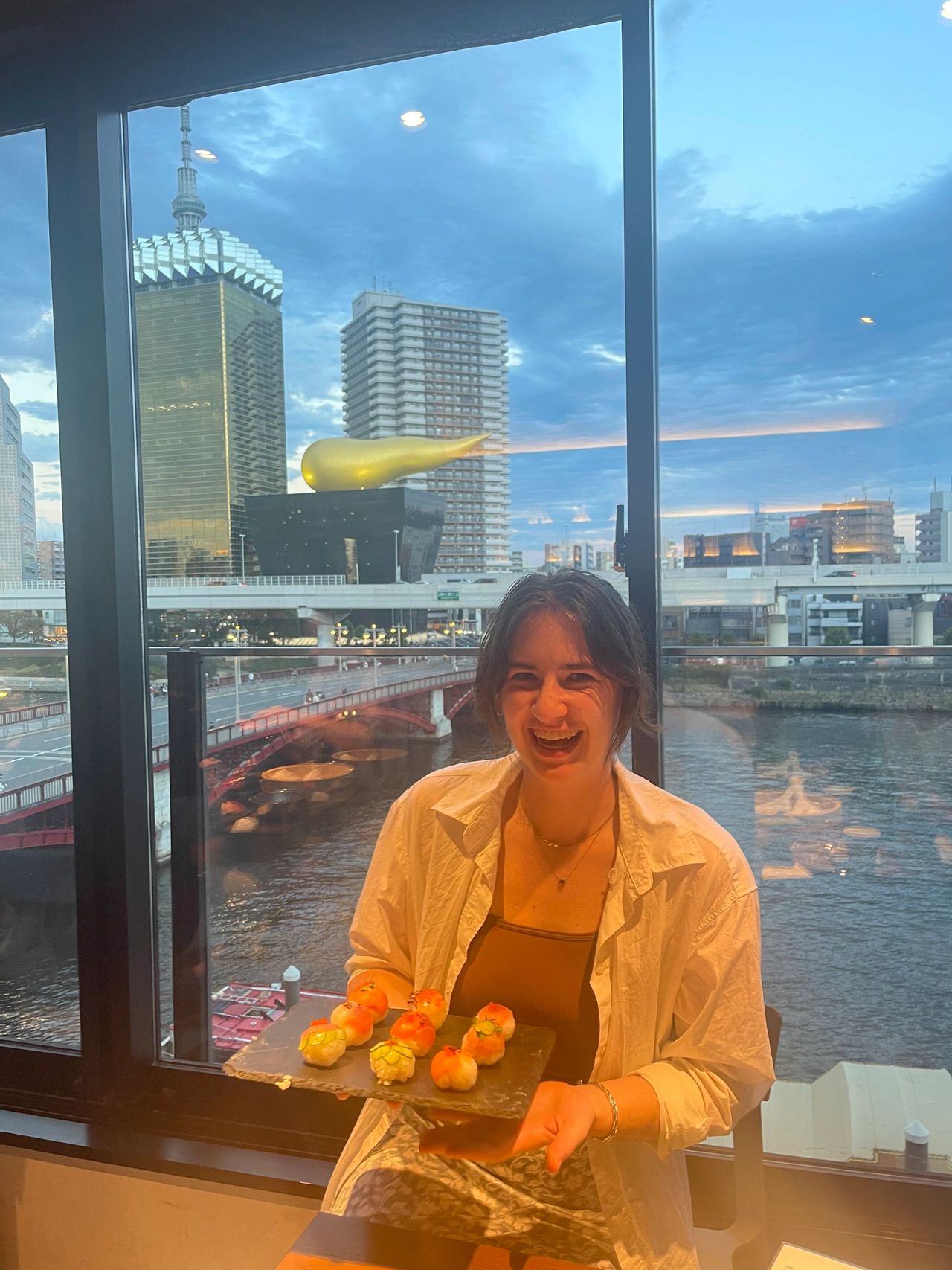
goods. Their onigiri, rice balls, are delicious too and taste fresh. I highly recommend going in and looking at all the snacks and goods they have. Some stores even have machines to make smoothies from frozen fruit for only $3-4 USD.
Geographic Diversity and Travel Options
Japan’s geography is incredibly diverse, ranging from the metropolis of Tokyo to serene snowy mountains, beautiful island beaches, and even sand dunes. Depending on what kind of
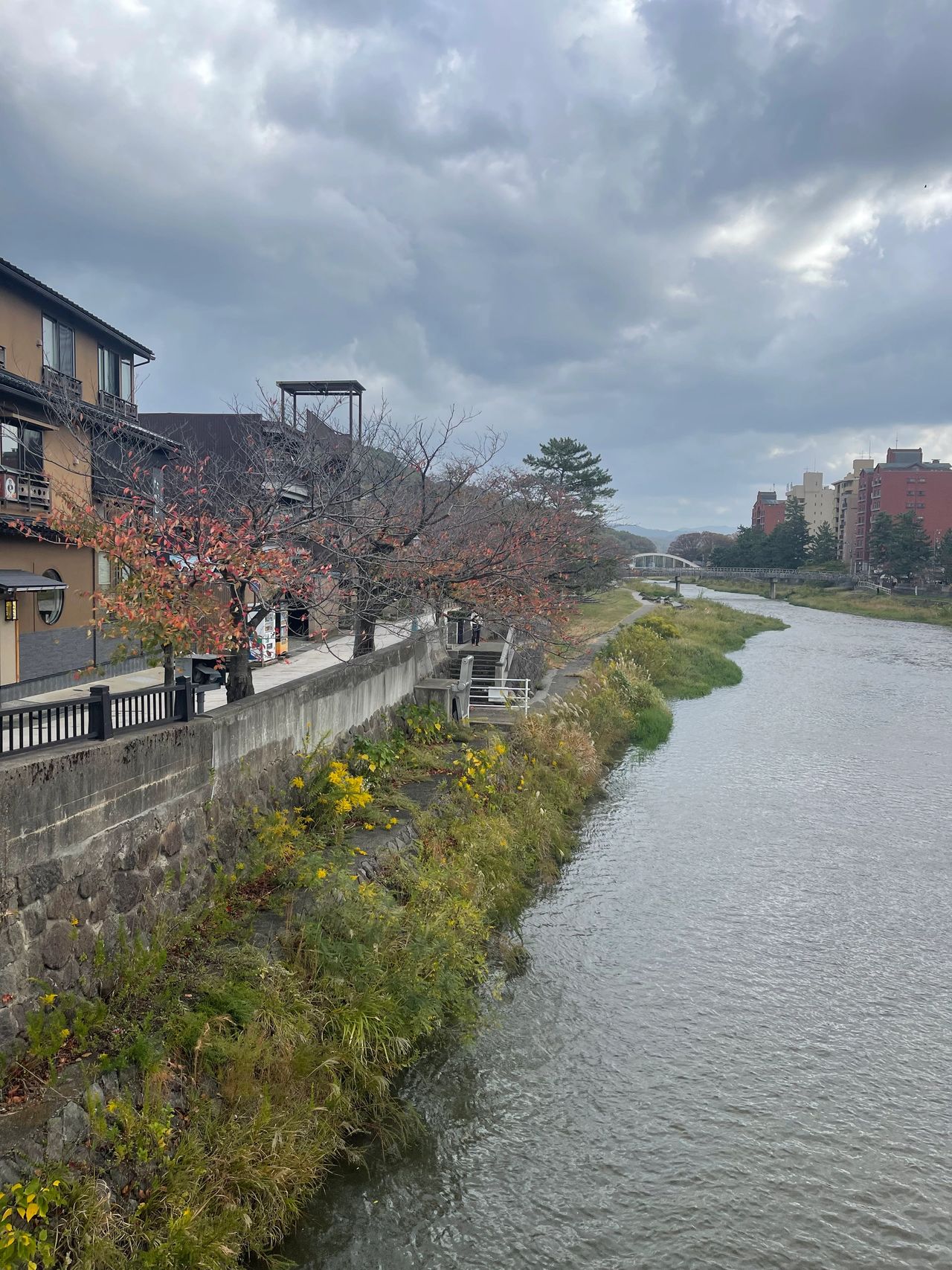
experience you’re seeking, you can find a region that fits your travel style. The country’s efficient transportation system makes it easy to get around, whether you opt for high-speed trains, domestic flights, or car rentals. If you’re renting a car, remember to bring your international driver’s license—a necessity not only for driving but also for unique experiences like riding the Mario go-carts in Tokyo.
Arrival and Transportation Tips
Flying into Japan is straightforward, with customs and immigration similar to other international destinations. Before you get in line, you’ll need to fill out tourist forms, which can be done up to 72 hours in advance online. You’ll receive QR codes to show at various checkpoints.
Upon arrival, depending on which airport you land at, you have several options for reaching Tokyo. Haneda (HND) offers Shinkansen, local trains, taxis, and buses, while Narita (NRT) provides an express train, taxis, and shuttles. The train system, though extensive and efficient, can be a bit overwhelming at first. Use your smartphone for directions and follow the signs in the stations. Try to hold phone calls and loud conversations for outside of the train. it is common etiquette to be quiet while riding the trains. During peak hours, the stations can be crowded, so plan for extra time and consider avoiding large luggage to make your journey smoother.
Understanding Dress Codes in Japan: What to Wear Where
Japan’s approach to clothing varies between its metropolis and smaller cities. In Tokyo, the fashion scene is incredibly diverse and inclusive. You’ll see a wide range of styles, from trendy streetwear and mini skirts to avant-garde fashion. The city’s vibrant culture encourages personal expression, so feel free to dress in what makes you comfortable.
However, in smaller cities and rural areas, the dress code tends to be more conservative. While you may still find people in contemporary attire, opting for more modest clothing can help you blend in better and avoid unwanted attention. In these areas, wearing something too revealing might attract discrete stares or curiosity.
For summers, linen and light layers will be best. Japan gets very hot and humid. Fall is best to bring
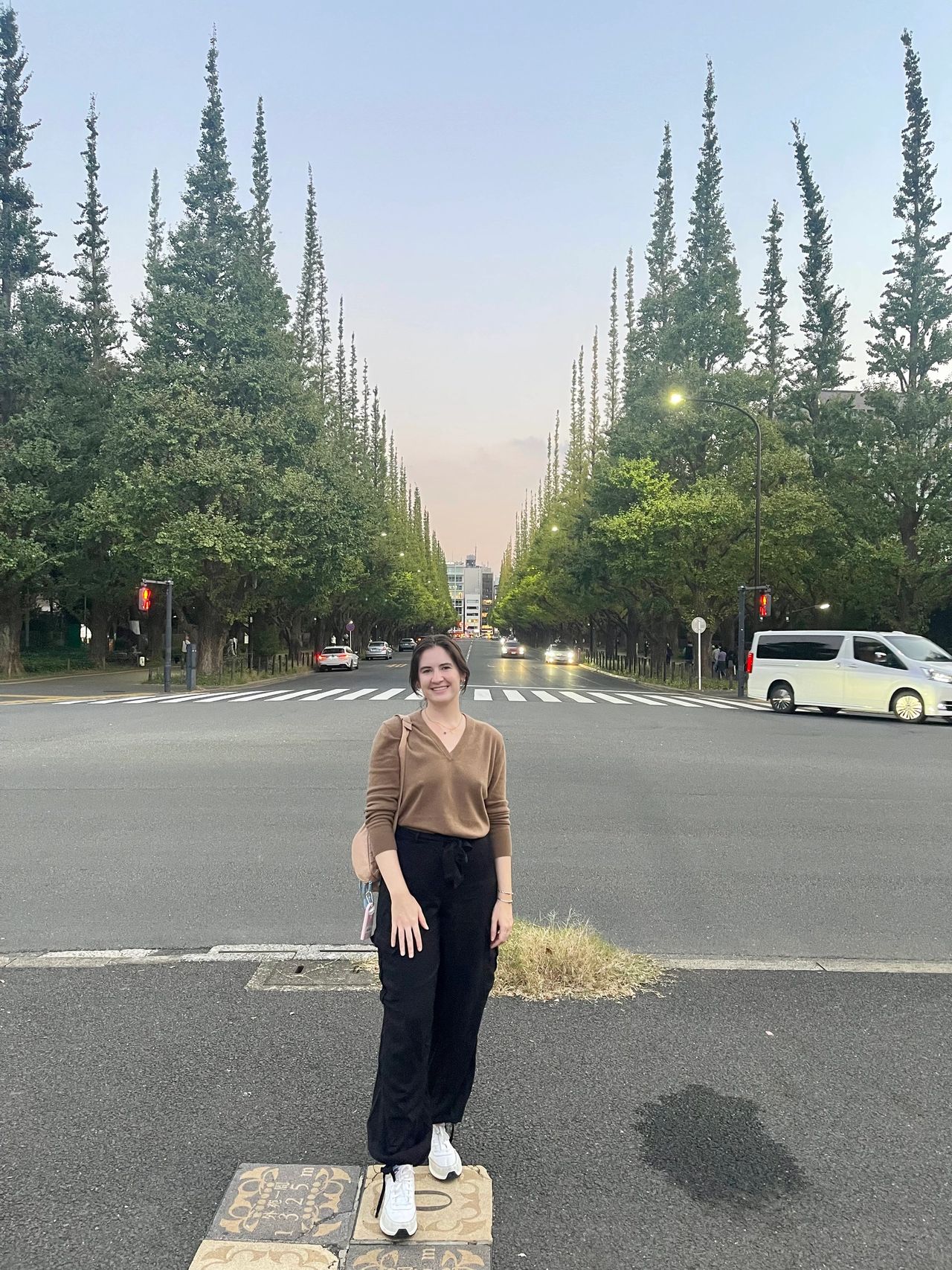
sweaters and layer since the days can be warm while the temperatures drop significantly at night. Definitely bring rain coats and jackets for the winter as it can reach freezing temperatures. Japan sells durable umbrellas for a couple USD.
Navigating Japanese Bathhouses and Onsens: Essential Do’s and Don’ts
Bathhouses and onsens are integral to Japanese culture, offering relaxation and a unique social experience. Here’s a guide to help
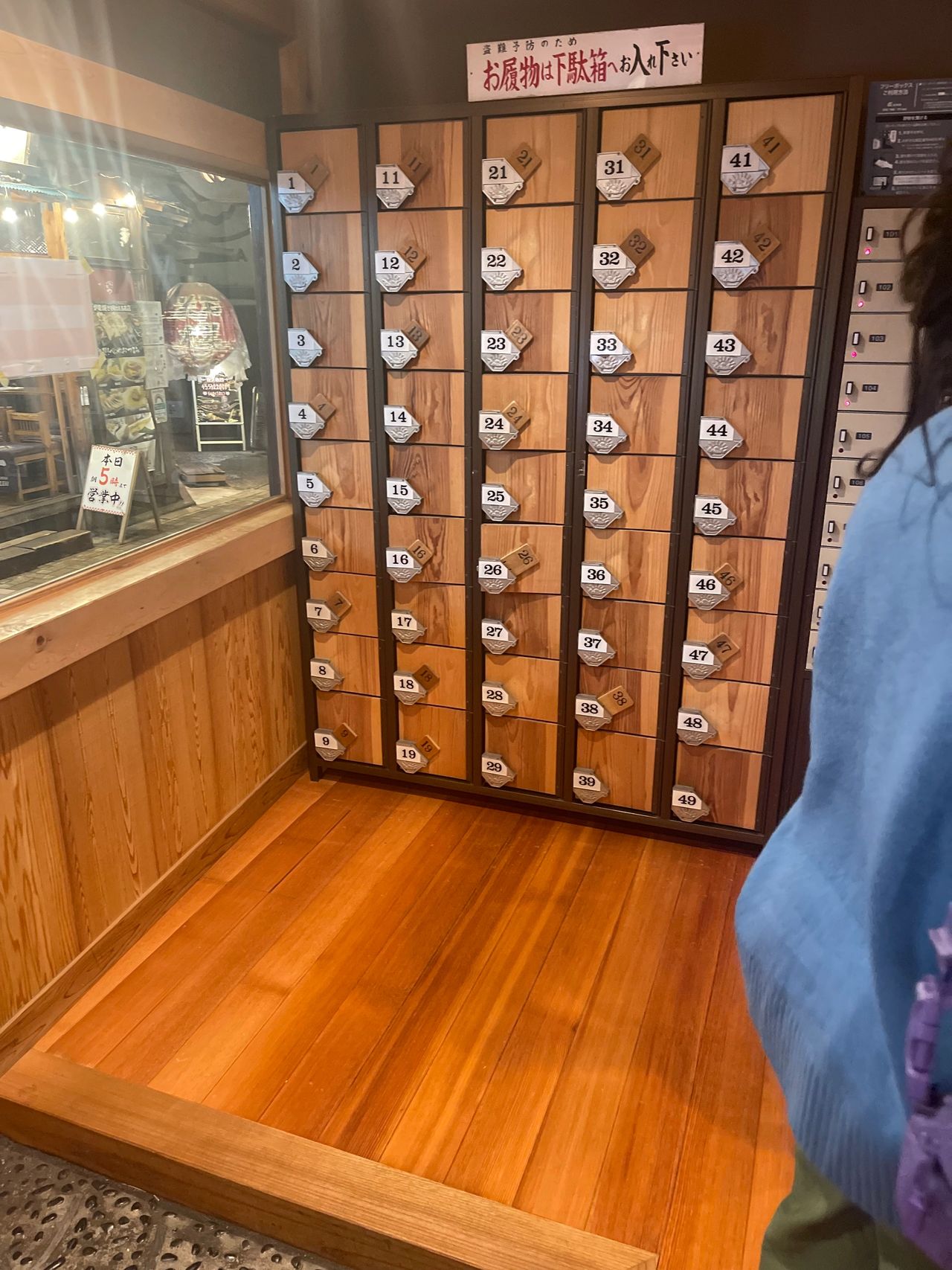
you navigate these traditional spaces with confidence and respect. Walk in, remove your shoes into one of the cubbies and meet with the front desk to pay to go back to the baths.
Bathhouses
Do’s:
- Turn Off Your Phone: To maintain a tranquil atmosphere, keep your phone turned off or leave it in the changing room. Phones are not allowed beyond this area.
- Shower Before Entering: Clean yourself thoroughly at the provided shower stations before entering the communal baths. Use the stools and showerheads to wash off any sweat or dirt. Avoid washing your hair at this point to prevent excess water from entering the bath.
- Use a Small Towel: You can bring a small towel with you for modesty while walking around. Do not soak this towel in the bathwater. Instead, use it to dry yourself before entering the bath and to place on your head while in the water if desired.
- Respect Quiet: Bathhouses are places for quiet relaxation. Avoid loud conversations and respect others’ space.
- Rinse Off: After using the sauna or hot bath, rinse off before entering another bath to keep the water clean for everyone.
Don’ts:
- No Photography: Photography is strictly prohibited within the bath areas. Respect this rule to ensure everyone’s privacy.
- Do not put your hair or face under the water.
- No Swimwear: Swimwear is not allowed in the communal baths. Everyone is expected to bathe naked.
- Avoid Splashing: Be mindful of others by avoiding splashing or making excessive noise.
- No Phones: As mentioned, do not bring your phone beyond the changing room.
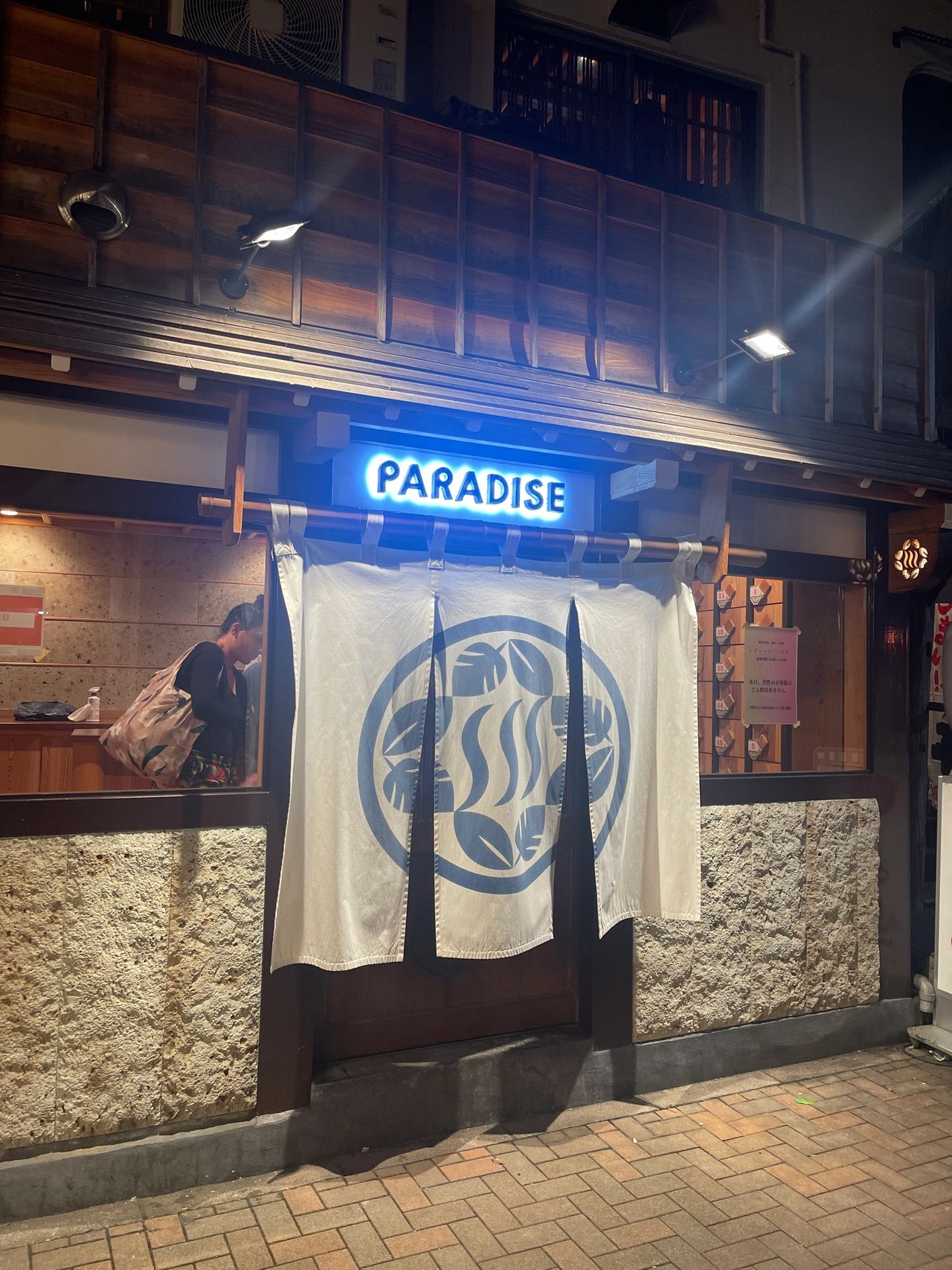
Onsens (Hot Springs)
Do’s:
- Research Tattoo Policies: Many traditional onsens still do not allow tattoos. However, there are tattoo-friendly options available. Search online for onsens that accept tattoos, or consider booking a private onsen room if you have tattoos.
- Shower Before Entering: Similar to bathhouses, thoroughly wash yourself before entering the onsen.
- Follow Etiquette: Adhere to onsen-specific etiquette, including quietness and respect for others’ privacy. If you have questions, ask.
Don’ts:
- Avoid Public Onsens with Tattoos: Many public onsens are strict about their no-tattoo policies. Check in advance to avoid disappointment.
- Do Not Soak Your Towel: Use your small towel for modesty and keep it dry. Avoid bringing it into the onsen water.
- Do not put your hair or face under the water.
- No Swimming: As with bathhouses, swimwear is not permitted in public onsens.
By following these guidelines, you’ll ensure a respectful and enjoyable experience at Japanese bathhouses and onsens, fully embracing this important aspect of Japanese culture.
Navigating Tokyo and Beyond
For getting around Tokyo and other cities, many travelers consider purchasing a Japan Rail Pass. However, recent price increases have made it less appealing. It might be more cost-effective to research and buy individual train tickets for your planned routes. For local travel, a SWICA card (now easily managed through smartphone apps) will suffice. This card functions as a contactless pass, simplifying your transit experience.
Traveling abroad can be daunting, especially for solo travelers. However, Japan stands out as one of the safest destinations you can choose. During my time there, I felt an incredible sense of security and ease, which I believe many solo travelers will appreciate.
Japan is known for its low crime rates and high level of public safety. People generally go about their day, minding their own business and respecting personal space. This creates an environment where you can explore comfortably without feeling constantly on edge.
Whenever I needed assistance, I found that help was readily available. Locals are typically kind and willing to guide you as best as they can. My ability to use a bit of Japanese and rely on Google Translate made navigating the country even smoother. Even with limited language skills, communication was manageable, and I always felt supported.
Accommodation and Hospitality
One of the highlights of staying in Japan is the exceptional hospitality. Whether you’re in a hostel, 2 or 5-star hotel, you can expect excellent service. Many accommodations offer amenities like saunas, shared baths, and a range of toiletries at no
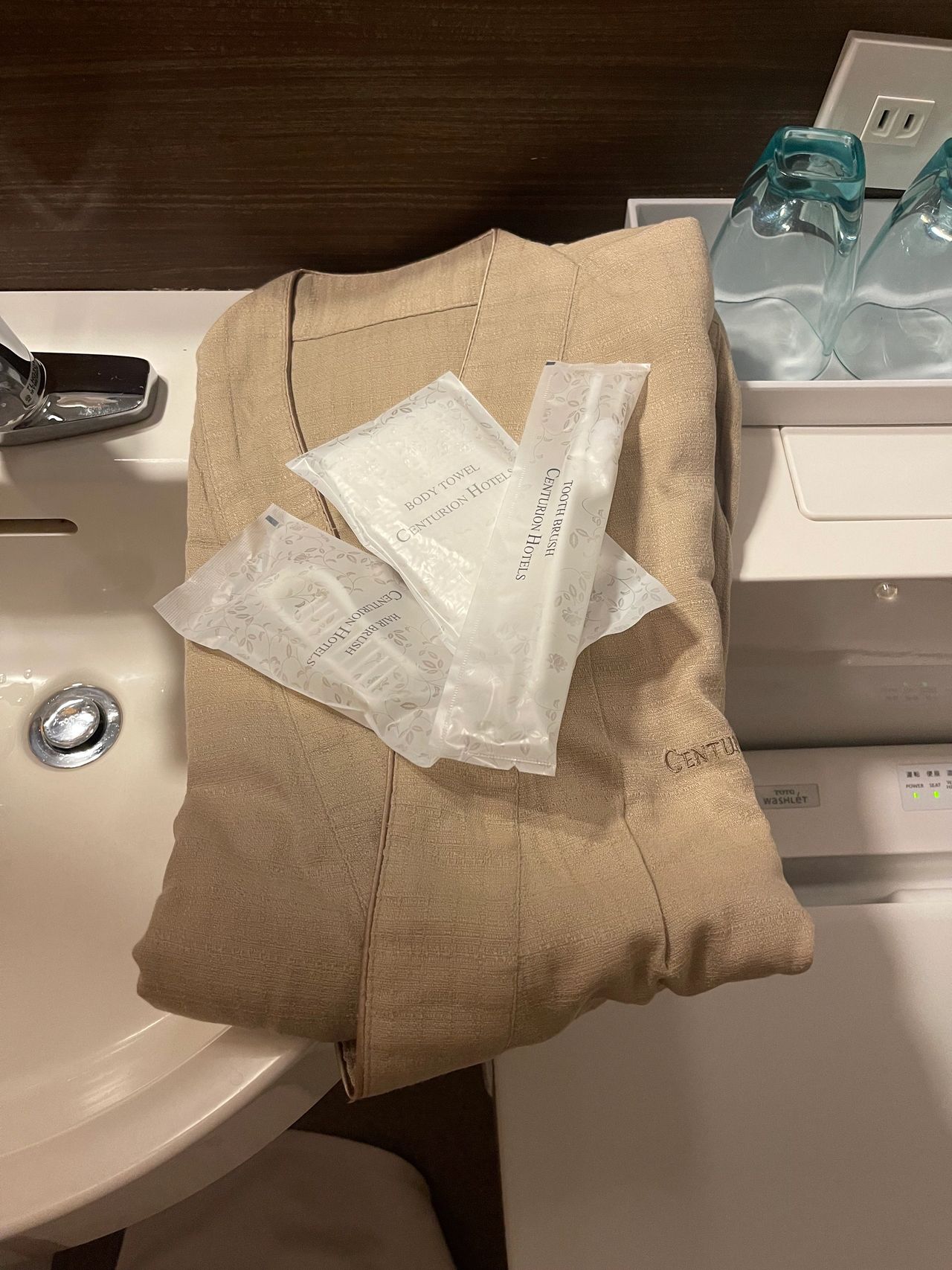
extra cost. Japanese hotels often provide slippers and pajamas (jinbae), and some include breakfast in the room rate. One of the most unique features? Japanese toilets, which are often heated and equipped with bidets, making them a pleasant surprise for visitors.
Language and Communication
In major cities like Tokyo, Kyoto, and Osaka, many signs and information are available in both English and Japanese. However, as you venture into less touristy areas, English signage becomes sparse. To help with navigation and communication, download a translator app and offline maps. This will be invaluable if you encounter any language barriers or lose your internet connection.
Luggage and Convenience
Traveling light can greatly enhance your experience. Japan offers a convenient luggage delivery service through Yamato, allowing you to send your bags ahead to your next destination. This service is particularly useful when traveling by train, as train compartments often have limited space for large bags.
Beyond the Big Cities
While Tokyo, Kyoto, and Osaka are must-visit cities, Japan is full of less-traveled destinations that offer equally rich cultural experiences. Exploring these lesser-known areas
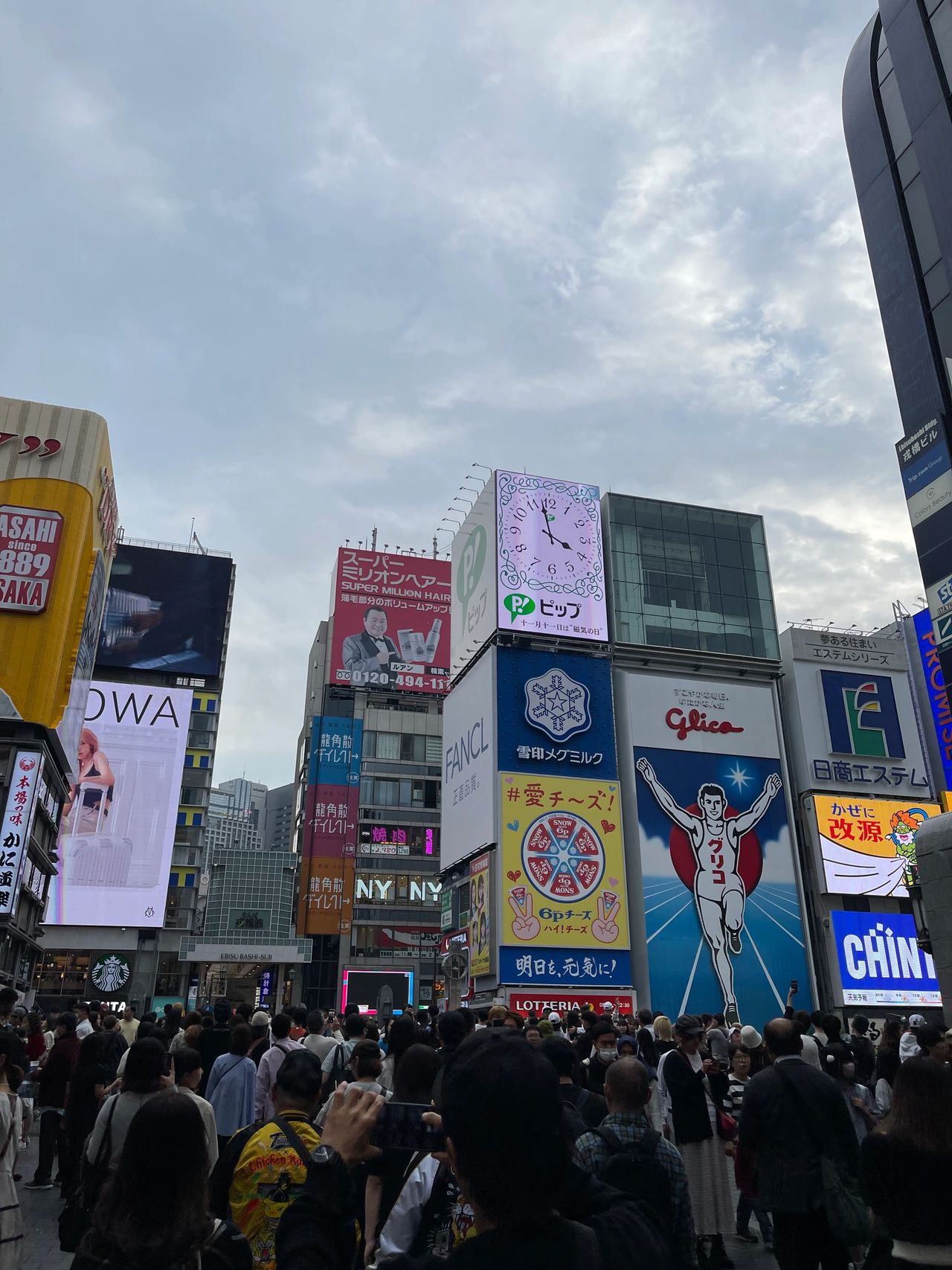
can provide a more intimate view of Japanese culture and history. Consider taking day trips from the major cities to uncover local gems and create a well-rounded travel experience.
Japan is a country where traditional charm meets modern innovation. With a bit of planning and an adventurous spirit, your trip to Japan is sure to be unforgettable. Stay tuned for more in depth information on the cities I visited while I was in Japan!
P.S. Japan does not have public garbage bins, be sure to have a bag to hold any garbage you use throughout the day.